Inside Delhi NCR's Startup Ecosystem: A Ground-Level View
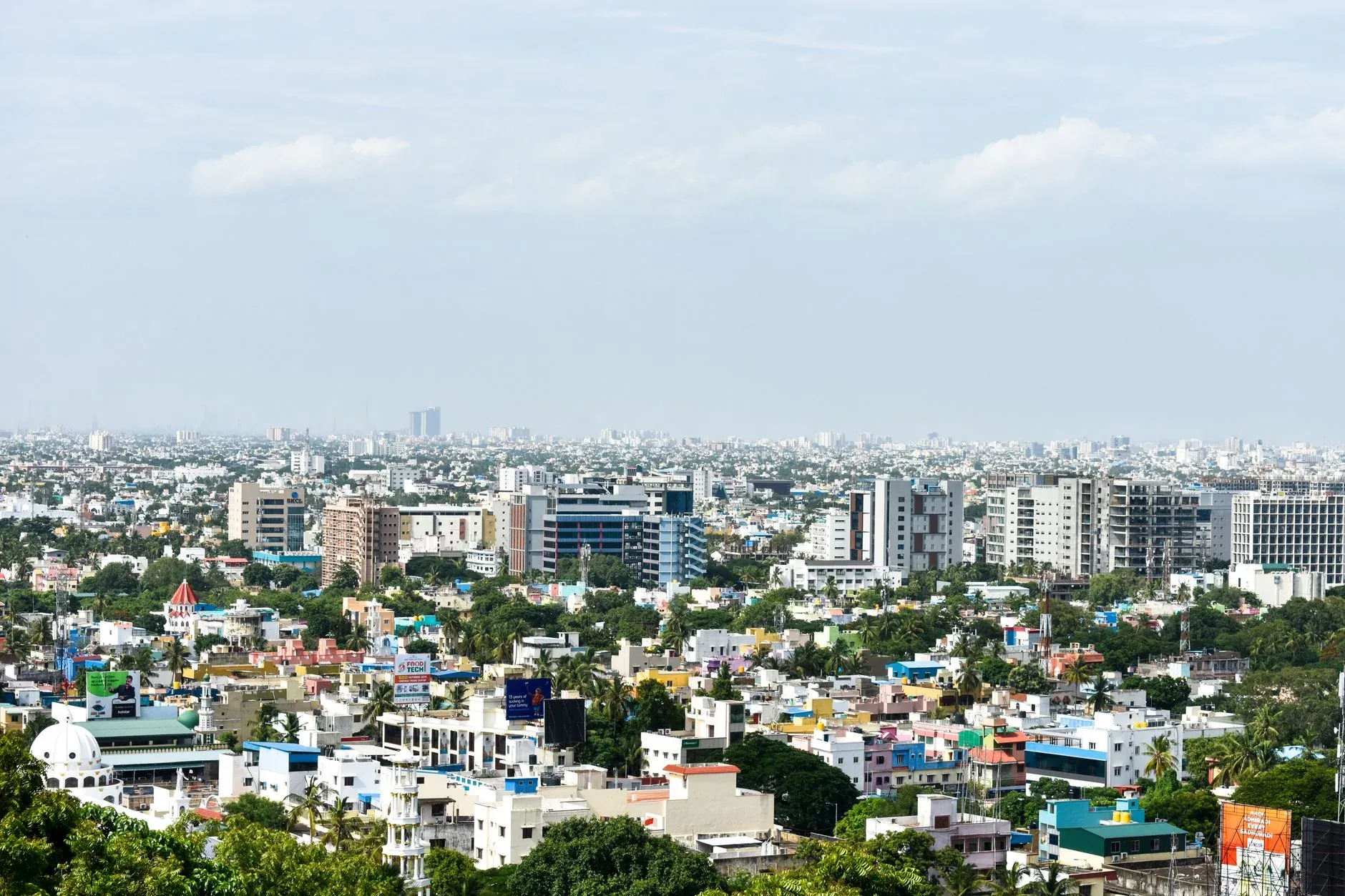
Most writing about India’s startup ecosystem focuses on Bangalore. Mumbai gets a mention. Delhi NCR, despite being one of the most active early-stage investment regions in the country, gets covered mostly through press releases and funding announcements.
This is a different kind of account. I’m in rooms across Delhi NCR every week — pitch events in Gurgaon, investor dinners in South Delhi, university competitions in Noida, summits that pull founders from across North India. Here’s what the ecosystem actually looks like from the ground.
The Geography of the Ecosystem
Delhi NCR is not one ecosystem — it’s three, loosely connected.
Gurgaon is where the money lives. The family offices, the corporate venture arms, the established angel investors. Events here tend to be more polished, more formal, higher ticket sizes. The founders who show up in Gurgaon are typically post-revenue, often post-seed, looking for their Series A or a strategic corporate partner.
Noida is where the builders are. A dense concentration of tech talent, a lower cost base than Gurgaon, and proximity to some of the best engineering colleges in North India. The startups coming out of Noida tend to be technically strong, sometimes commercially earlier, and often underrepresented in the rooms where capital is actually deployed.
South Delhi and Central Delhi is the network layer — the lunch meetings, the alumni dinners, the informal conversations that don’t show up on any event calendar but produce a disproportionate share of introductions. If you’re not embedded in this layer, you’re missing a significant amount of deal flow.
The Events Worth Showing Up To
I’ve attended dozens of events across the NCR in the past year. Here’s an honest breakdown of which ones actually move the needle.
TiE Delhi NCR consistently brings together a room of people who are serious about the ecosystem — experienced operators, active angels, founders at various stages. The quality of conversation per hour is higher than most other events. If you’re a founder or an early-stage investor in Delhi and you’re not in this network, fix that first.
Delhi Angels events are where I spend most of my structured evaluation time. The deal flow is curated, the founders who make it into the room have typically passed at least one filter, and the investor base is genuinely active. For founders: the bar to get in the room is meaningful, which makes getting in the room worth something.
University pitch events — Sharda University’s Pitch in 180 Seconds is a good example — are underrated for deal sourcing. The startups are earlier, the pitches are rougher, but the founders are often more hungry. I’ve met founders at university events who are six months away from being a real deal. Showing up early, before they’re polished, is how you build genuine relationships.
Industry-specific summits like the Bundelkhand Venture Summit and the Digital Inclusion Summit pull founders and investors from beyond the NCR bubble. These events regularly surface startups building for Tier 2 and Tier 3 India — a market that most Delhi NCR investors say they want exposure to but rarely see quality deal flow from. Going to these is one of the most reliable ways to find differentiated startups that aren’t simultaneously being evaluated by every other investor in the ecosystem.
What’s Working in This Ecosystem Right Now
A few observations from conversations across the past six months.
Founders building for Bharat are getting serious. The quality of startups targeting Tier 2 and Tier 3 India — in fintech, agritech, vernacular content, and offline commerce — has improved substantially. The cohort of founders who spent time working in these markets before building for them is growing. These are often the most defensible businesses, because the insight is hard-won and hard to replicate from a Bangalore office.
The AI wave is producing two types of startups. The first: genuine AI-native products that use models to do something materially new, typically built by technical founders who understand what the models can and can’t do. The second: existing business models with an AI slide added. Delhi NCR has plenty of both. The evaluation challenge is telling them apart quickly, which is harder than it sounds in a 10-minute pitch.
Family offices are becoming more active. Across North India, the next generation of business families are looking at startup investing as both financial diversification and strategic positioning. This is changing the capital landscape in interesting ways — more patient capital, more sector-specific expertise, more appetite for businesses that touch traditional industries (manufacturing, logistics, agriculture). For founders in these spaces, Delhi NCR family office capital is often a better fit than traditional VC.
What’s Missing
Honest ecosystems acknowledge their gaps. Delhi NCR has several.
Deep tech is underrepresented. Bangalore has a concentration of deep-tech founders and the institutional knowledge to evaluate them. Delhi NCR doesn’t, despite having the engineering talent. Most deep-tech founders from IIT Delhi and adjacent institutions end up raising from Bangalore-based investors or going directly to international capital. That’s a gap worth closing.
Female founder representation is low. Not uniquely a Delhi NCR problem, but notable. The events I attend skew heavily male. The investor base skews even more heavily male. The pipeline of female founders at the early stage exists — it’s just not surfacing in the rooms where capital decisions are made at the same rate it should be.
The Noida-Gurgaon divide is real and underappreciated. Founders building in Noida often have less access to the informal network layer that gets deals done in South Delhi and Gurgaon. This is partly geography, partly culture, partly the fact that the high-value networking events tend to cluster in Gurgaon. Bridging this divide — connecting the technical talent in Noida with the capital networks in Gurgaon — is one of the most concrete things the ecosystem could work on.
Why I Write About This
I spend most of my time doing this work rather than writing about it. But the ecosystem benefits from more honest ground-level accounts — not just the funding announcements and unicorn profiles, but the texture of what it’s actually like to be building and investing here.
If you’re a founder in Delhi NCR or a first-time angel trying to find your footing in this ecosystem, feel free to reach out. The best thing about this ecosystem, despite its gaps, is that the people who are serious about it tend to be genuinely generous with their time.
Related reading: How I Evaluate Early-Stage Startups — what actually happens when a startup from this ecosystem walks into a Delhi Angels review meeting. And: Startup Secrets: Navigating the Tech Maze — the technical patterns I see repeatedly across early-stage startups in the region.